
Product Introduction
1. Product Introduction
This technology is based on nano-molecular silane materials and provides three-dimensional protection for concrete structures through a complete immersion method. Silane molecules penetrate into the pores of concrete and form a permanent protective layer via chemical bonding. It can effectively prevent water and water-borne harmful substances from eroding concrete, and significantly enhance the concrete’s freeze-thaw resistance and chloride ion resistance.
This technology is based on nano-molecular silane materials and provides three-dimensional protection for concrete structures through a complete immersion method. Silane molecules penetrate into the pores of concrete and form a permanent protective layer via chemical bonding. It can effectively prevent water and water-borne harmful substances from eroding concrete, and significantly enhance the concrete’s freeze-thaw resistance and chloride ion resistance.
2. Technical Characteristics
- Possesses excellent permeability, penetrating deep into concrete materials to protect the substrate's internal structure from water damage.
- Demonstrates ideal resistance to chloride ion penetration, effectively reducing chloride ion ingress by over 90%.
- Forms a stable, cross-linked silicone resin structure through chemical reaction with inorganic silicate substrates, ensuring a service life equivalent to that of the protected concrete.
- Superior water and alkali resistance, with water absorption ratio <7.5%; after 24-hour immersion in 0.1M NaOH solution, water absorption ratio <10%.
- Does not alter the appearance of concrete structures, particularly suitable for exposed concrete surface protection.
- Also applicable for protecting brick, stone, rammed earth and similar building materials.
- Simple application method, allowing for repeated coating.
- Possesses excellent permeability, penetrating deep into concrete materials to protect the substrate's internal structure from water damage.
- Demonstrates ideal resistance to chloride ion penetration, effectively reducing chloride ion ingress by over 90%.
- Forms a stable, cross-linked silicone resin structure through chemical reaction with inorganic silicate substrates, ensuring a service life equivalent to that of the protected concrete.
- Superior water and alkali resistance, with water absorption ratio <7.5%; after 24-hour immersion in 0.1M NaOH solution, water absorption ratio <10%.
- Does not alter the appearance of concrete structures, particularly suitable for exposed concrete surface protection.
- Also applicable for protecting brick, stone, rammed earth and similar building materials.
- Simple application method, allowing for repeated coating.
3. Performance Metrics
| Item | Index |
|---|---|
| Main Component | Silane Impregnating Liquid |
| Active Component Content, % | Customized according to design documents |
| Stability | No delamination, no oil floating |
| Density (25°C), g/cm³ | 0.90±0.2 |
| Penetration Depth, mm | The content you provided is already in English. |
| Water Absorption Ratio, % | ≤7.5 |
| Chloride Ion Penetration Depth, mm | ≤7 |
| UV Aging Resistance, % | Water absorption ratio ≤10 after 1000h UV aging |
| Alkali Resistance, % | Water absorption ratio ≤10 after alkali treatment |
| Recommended Dosage, g/m² | 400 |
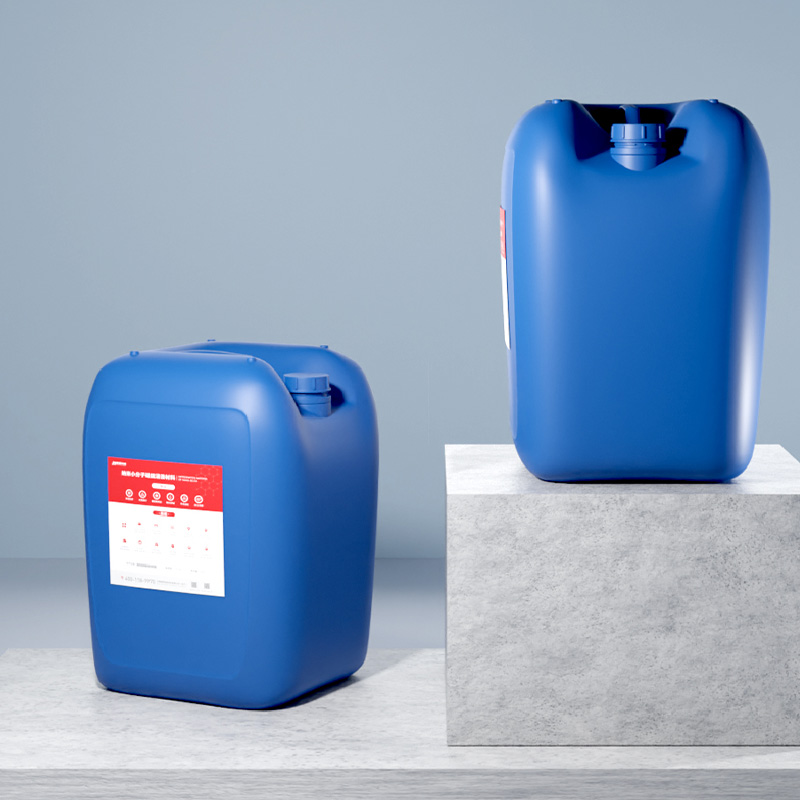
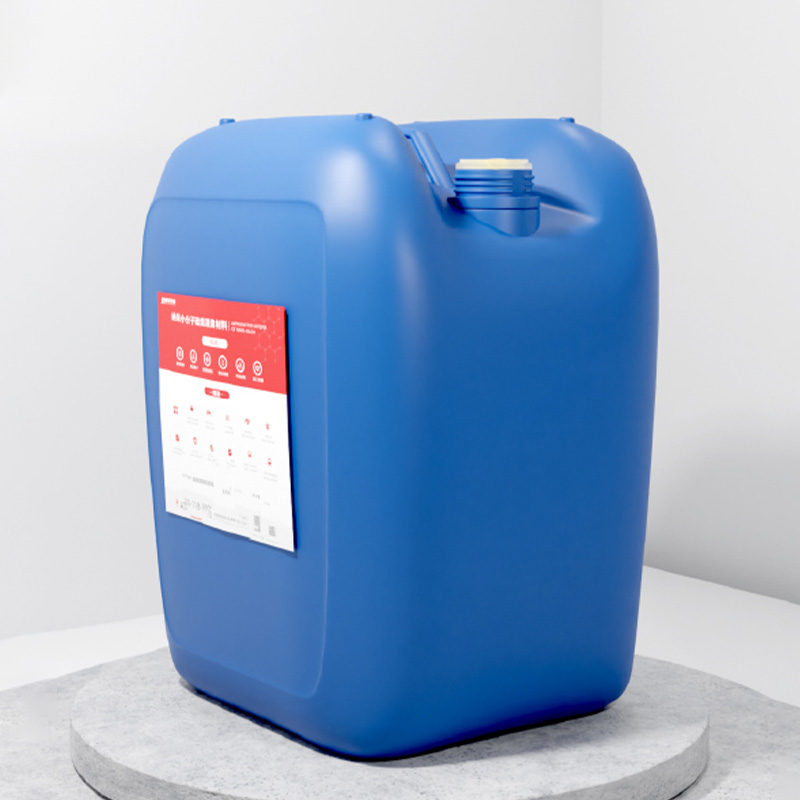
| Storage and Shelf Life | Stored in original packaging barrels at 5~45°C, shelf life 12 months |
4. Construction Process
- Material Preparation
Silane-impregnated concrete protection material: Original container sealed and within expiry date.
Silane:
Impregnation liquid: Applicable by brush or spray application; semi-mechanical spraying tools recommended.
Paste: Applicable by roller, brush or spray application; airless spraying equipment recommended.
- Material Preparation
Silane-impregnated concrete protection material: Original container sealed and within expiry date.
Silane:
Impregnation liquid: Applicable by brush or spray application; semi-mechanical spraying tools recommended.
Paste: Applicable by roller, brush or spray application; airless spraying equipment recommended.
- Concrete Surface Preparation (Prior to Silane Impregnation)
Remove surface debris and loose attachments. Repair obvious defects such as honeycombing and exposed aggregate using repair mortar. For carbonated concrete, chisel away carbonated sections before repairing with mortar.
Remove dust, oil stains, and other contaminants that may hinder silane impregnation.
Silane should ideally be sprayed onto a surface-dry concrete substrate. In areas subject to water level fluctuations, application must occur when the concrete surface is free of water and a 3–6 hour drying period is assured; spraying must not occur during rainfall.
Silane protective materials may only be applied after the concrete curing period is complete.
Concrete surface temperature should be between 5–45°C.
- Site Requirements
Open flames must be prohibited. Operators must use necessary safety protective equipment.
- Application Method and Dosage
Apply continuously in a single pass. Typically, two applications are required to meet the spray volume specified in design documents. Generally, 400g/m² ensures effective coverage.
- Precautions
Silane is fully absorbed by concrete within approximately 4 hours post-application. Concrete impregnated with siloxane must avoid water contact until this period elapses. Complete reaction between siloxane and concrete to form a silicone resin network requires two weeks. Performance testing should be conducted at least two weeks after application.
5. Application Scenarios
Protection of High Performance Concrete Elements for Harbour Terminals
Protection of Marine Concrete for Cross-Sea Bridges
Protection of Marine Concrete Structures
Protection of Concrete Structures for Elevated Bridges
Protection of Concrete Structures for Highway Bridges
Protection of High Performance Concrete Structures for Coastal Railway Bridges
Protection of Concrete Structures for Tunnels, Airports Runways
Protection of Concrete Structures for Other Buildings
Protection of Concrete Structures for Wastewater Treatment Plants
Protection of Concrete Structures for Thermal Power and Nuclear Power Plants
Concrete structure protection of clean water
Protection of High Performance Concrete Elements for Harbour Terminals
Protection of Marine Concrete for Cross-Sea Bridges
Protection of Marine Concrete Structures
Protection of Concrete Structures for Elevated Bridges
Protection of Concrete Structures for Highway Bridges
Protection of High Performance Concrete Structures for Coastal Railway Bridges
Protection of Concrete Structures for Tunnels, Airports Runways
Protection of Concrete Structures for Other Buildings
Protection of Concrete Structures for Wastewater Treatment Plants
Protection of Concrete Structures for Thermal Power and Nuclear Power Plants
Concrete structure protection of clean water